
I last posted in this blog in July 2019, having completed the second novel in my Written in Water trilogy. What stopped me making entries after that? After all, I completed the trilogy, and went on to write further novels and publish a book of my poems. Why not continue to show a more personal face in public? And then, with a sickening lurch, I remembered. Covid. It seems so long ago now, the way it stopped everything in its tracks and threw the world into turmoil. I was one of the unlucky ones that got Covid early on, and physically that has continued to take its toll. But I think the psychological toll on all of us has been more than perhaps we realise. The lockdowns forced us into isolation, and infantilised us to an extent as we took the advice and submitted to the ruling of politicians who were actually as much in the dark as we were about how to combat this virus. Where had it come from? Who was responsible? And who could we trust to be telling the truth politically? Very few, as it turned out. Even when the vaccine was created there was uncertainty. Paranoia about the possible effects and efficacy spread almost as fast as the virus itself. It has seemed to me, looking back, that Covid robbed us of three years. Nothing has been the same since.
Like other writers, I knuckled down and wrote my Covid novel, The Architect, while the social effects of the lockdown rules were still raw. This was followed by The Way Through the Woods, the sequel to The Drowned Phoenician Sailor. I think I was still finding my own way out of the emotional woods by then. I had lost my closest and oldest female friend, who died not with Covid but pneumonia. We had been friends for over thirty years, and Covid had kept us separate, out of fear on her part that she would catch it, even after we had all been given the vaccine. We had talked on the phone every week, but it wasn’t the same as sitting in a room together, catching the nuances of expression as well as the words. We had shared so much about our lives over those years, had trained together as psychotherapists, and were familiar with each other’s dark, mad places. We had gone to Glastonbury together, not for the festival, but to sample the spiritual craziness of the place itself. We had once fallen out disastrously, as only really close friends can, and come back together humbly, understanding each other on a deeper level. We held each other’s truest history in our minds. After she died, I realised that part of my history had died with her.
There have been other losses in the past few years. It’s inevitable as you get into your later decades. I have never loved anyone in a half-hearted way, and so the grief for friends that have gone has been deep and painful. I write of that now only because I am further away from its immediate impact on my nervous system. Writing has always been for me since childhood a form of escape into a safe space, a world over which I have some control – despite the fact that my characters so often seem to take over and write their own story. it’s where I feel most alive, most truly myself. There is a secondary character in The Girl in the Photograph who is a writer. I had some fun writing about her. She isn’t me, so don’t assume that when you read about her. She has a confidence about herself and her work I have never had.
And that was another reason I stopped putting my head above the parapet in this blog. Some time soon after writing The Way Through the Woods, I was targeted by a troll – another writer, so I discovered – who decided to work her way through most of my titles, giving them each a scathing one star review. Although I knew cognitively it was about her, not me, it had a strange effect on me. I’ve never ego-tripped about my writing, which is why I’m immune to flattery, and you’d think that kind of negative criticism would similarly roll off me. But what affected me was the fact that it was deliberately intended to cause personal damage, and fuelled by destructive energy. It made me reevaluate the reasons I was self-publishing my books, and observe the climate of rivalry I had put myself into with such naivety. I realised it was a wild world in the land of publishing as well as out there. Perhaps the success I believed I had was just an illusion. What was the point? (Never a useful thought to have.) It wasn’t a conscious decision to do it, but for a while I rested on my laurels.
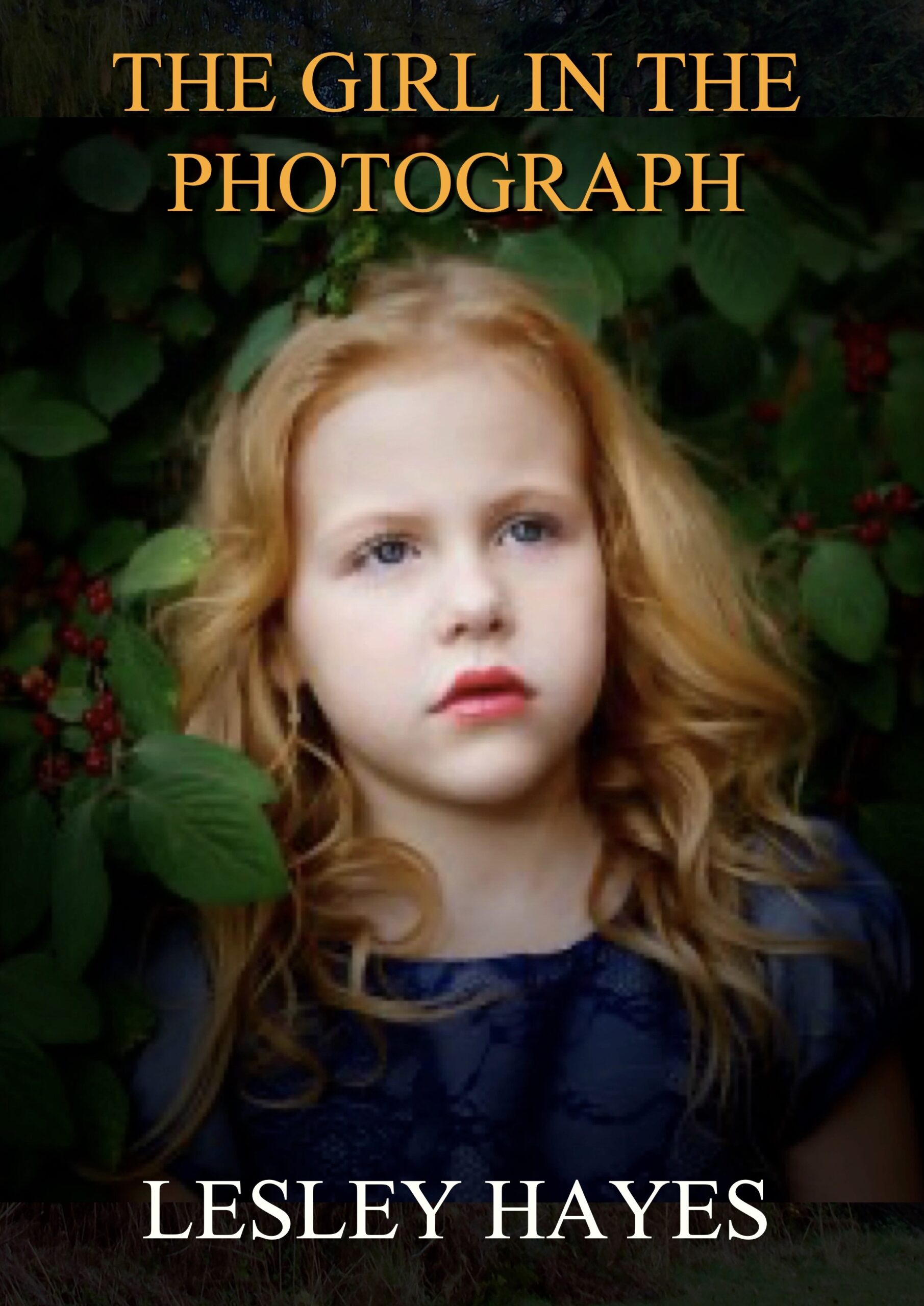
And then a friend arrived one day and said: “You’ll never believe this. I just had a Murakami moment…” and sparked the inspiration for The Girl in the Photograph. It took another year for the actual novel to be born, but finally it is published. The process has woken me up, like a sleepy bear coming out of hibernation, and here I am again, putting my random thoughts out into an increasingly wobbly world.
You can find The Girl in the Photograph on kindle and in paperback on Amazon here mybook.to/TheGirlinthePhotograph and visit my website at www.lesleyhayes.co.uk